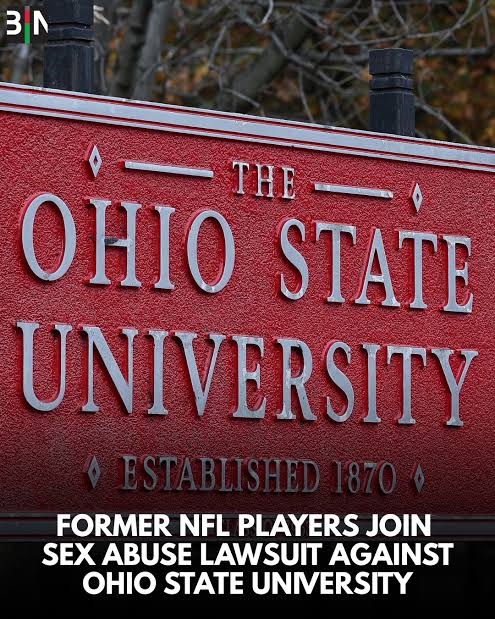
The Ohio State University Is Now Facing Multiple Waves of Sexual Abuse Litigation – The Strauss Case Has Opened a Door
The Ohio State University continues to face mounting legal challenges stemming from allegations of sexual abuse connected to former university physician Richard Strauss. What began as a series of complaints from former student-athletes has evolved into one of the largest institutional abuse scandals in American higher education, prompting renewed scrutiny of how universities respond to allegations of misconduct and protect students from harm.
The Strauss case has become a landmark example of how historic abuse allegations can lead to broader legal action years after the alleged incidents occurred. As more survivors have come forward, the litigation has expanded beyond individual claims, raising questions about institutional accountability, oversight, and the responsibilities of university leadership.
Background of the Strauss Scandal
Richard Strauss served as a physician at The Ohio State University from the late 1970s until the 1990s. Over the years, numerous former students and athletes alleged that Strauss engaged in sexual misconduct during medical examinations and treatment sessions. Many of the alleged incidents remained unreported for decades, with survivors later claiming that concerns about Strauss’s behavior were known within certain university circles but were not adequately addressed.
Investigations conducted years later revealed allegations involving hundreds of former students. The findings intensified public attention and led to calls for justice from survivors who argued that the institution failed to intervene despite warning signs.
A Growing Wave of Litigation
The legal battle surrounding the Strauss case has continued to expand as additional former students seek compensation and accountability through the courts. Lawsuits have alleged that university officials either knew or should have known about Strauss’s conduct and failed to take sufficient action to stop it.
Attorneys representing survivors have argued that the case represents more than the actions of one individual. They contend that systemic failures allowed misconduct to continue for years, creating an environment in which students were left vulnerable.
The university has reached settlements with many survivors, but legal proceedings remain ongoing in various forms. New claims and appeals continue to emerge, demonstrating the long-lasting impact of the scandal and the determination of survivors to have their experiences recognized.
Impact Beyond Ohio State
Legal experts note that the Strauss litigation has influenced how abuse cases are handled across educational institutions in the United States. The attention generated by the case has encouraged other survivors of historical abuse to come forward, even when allegations involve events that occurred decades earlier.
The case has also contributed to broader discussions about statute-of-limitations laws, institutional transparency, and the rights of survivors seeking justice. Universities nationwide have faced increasing pressure to strengthen reporting systems, improve oversight, and ensure that allegations are investigated promptly and thoroughly.
Survivors Continue to Seek Accountability
For many survivors, the litigation is about more than financial compensation. Former students have repeatedly emphasized the importance of acknowledgment, transparency, and institutional reform. Public testimony from survivors has highlighted the emotional and psychological effects that can persist long after the alleged abuse occurred.
Advocates argue that the courage shown by those who came forward in the Strauss case has helped break down barriers that often discourage victims from reporting misconduct. Their efforts have contributed to a broader movement demanding accountability from powerful institutions.
Looking Ahead
As legal proceedings continue, the Strauss case remains a defining chapter in the ongoing national conversation about sexual abuse, institutional responsibility, and survivor advocacy. The outcome of remaining litigation could influence future cases involving universities and other organizations accused of failing to protect those in their care.
For The Ohio State University, the challenge extends beyond the courtroom. The institution continues to face questions about its historical response to allegations and the steps it has taken to prevent similar failures from occurring in the future. Meanwhile, survivors and their supporters maintain that the pursuit of justice is far from over, ensuring that the Strauss case will remain a significant legal and social issue for years to come.